Threshold | Saruhan Caravanserai 1249 Skip to content

Since 1249…

Host to encounters that endure.

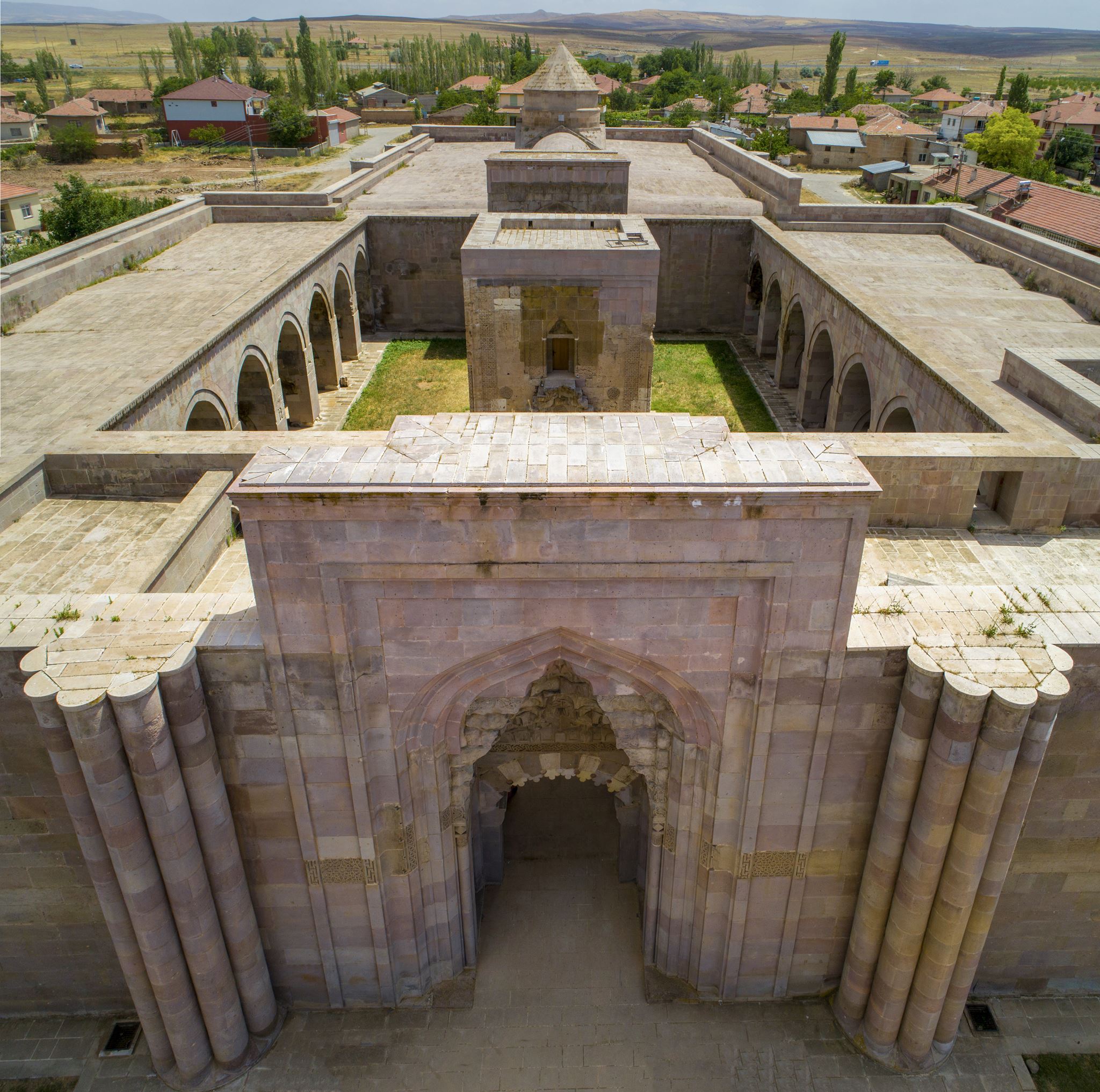
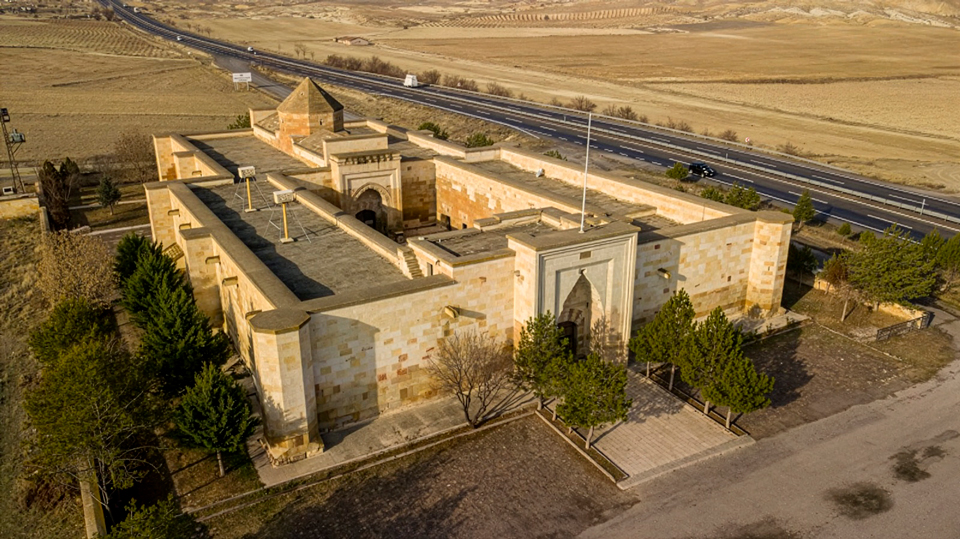
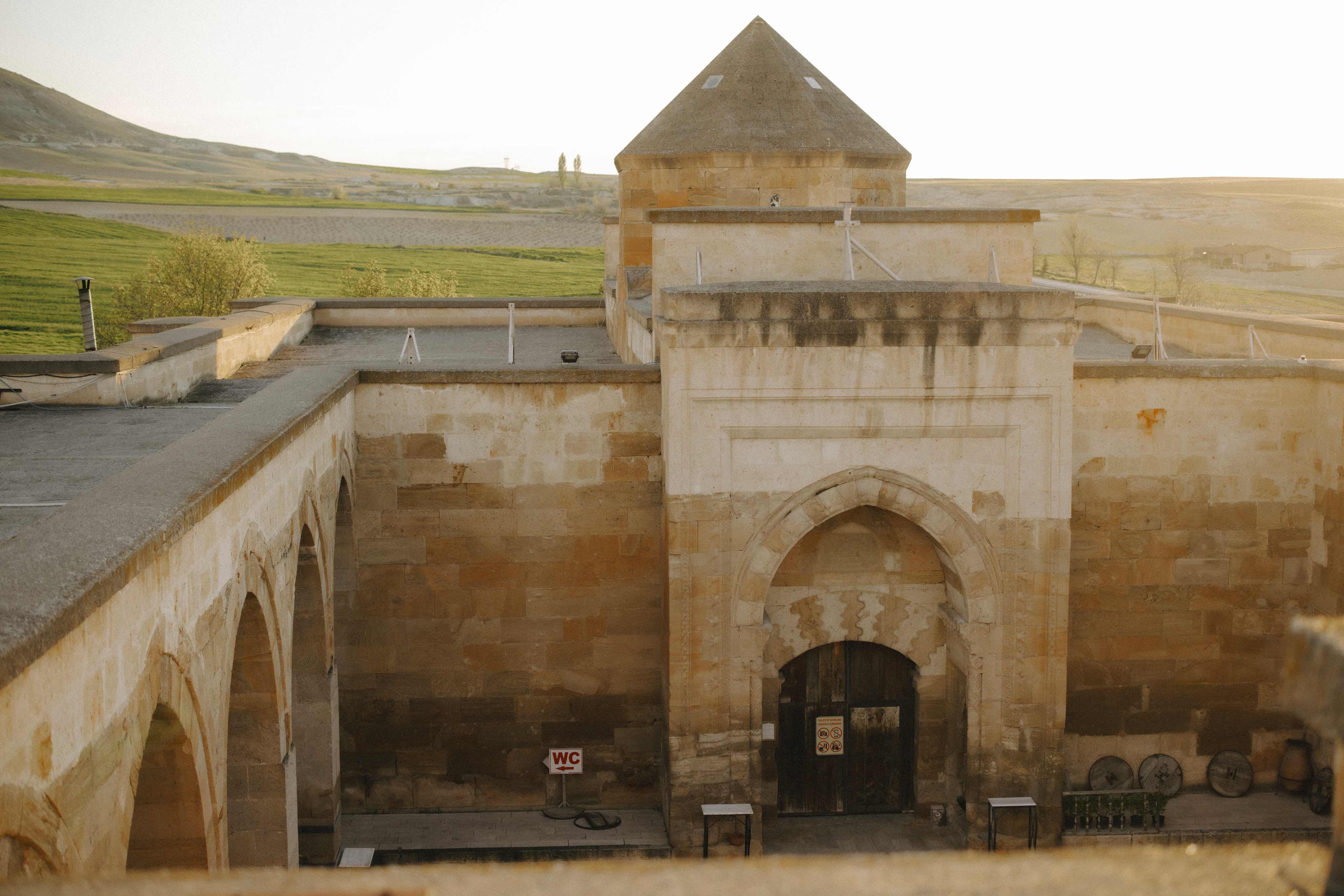
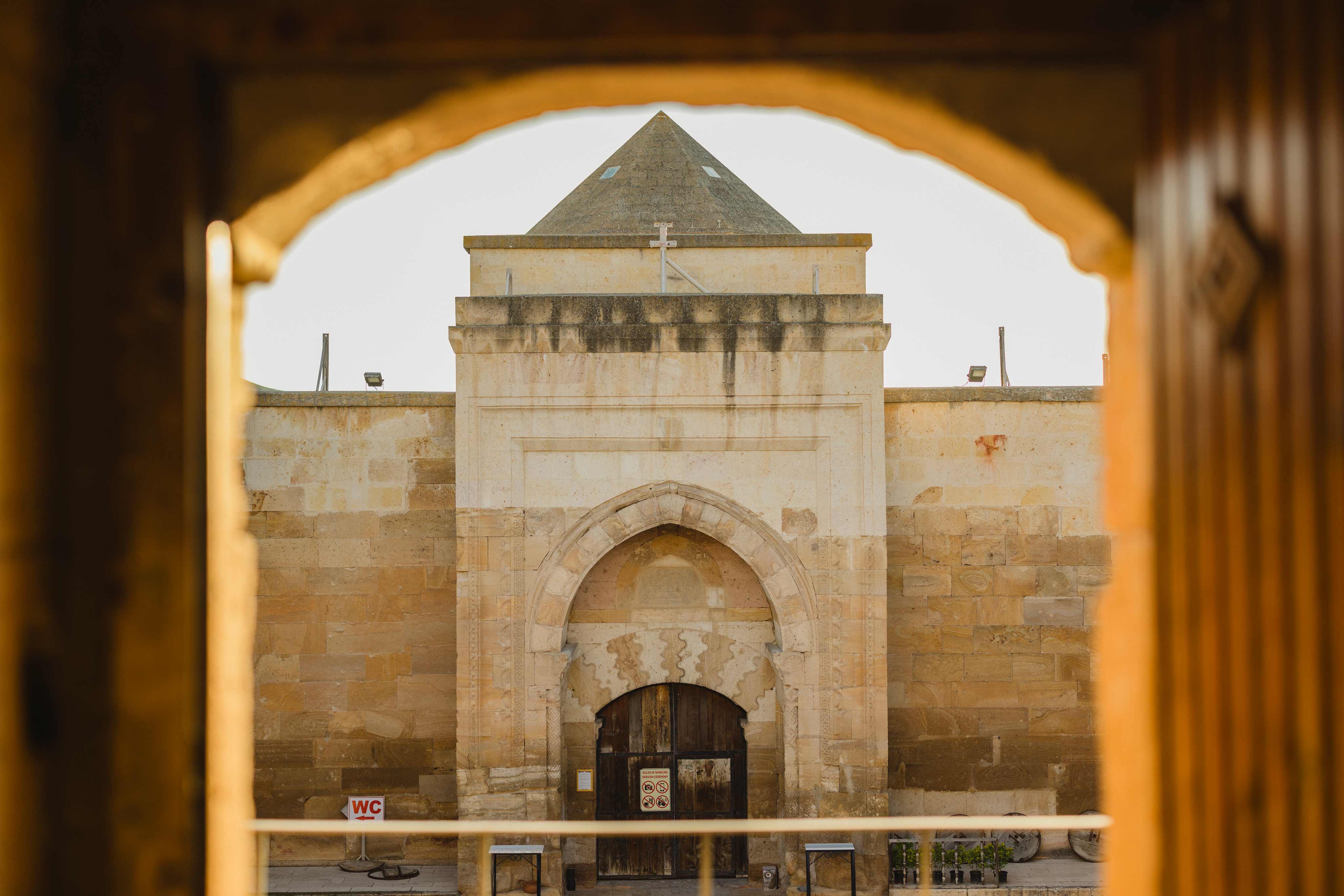
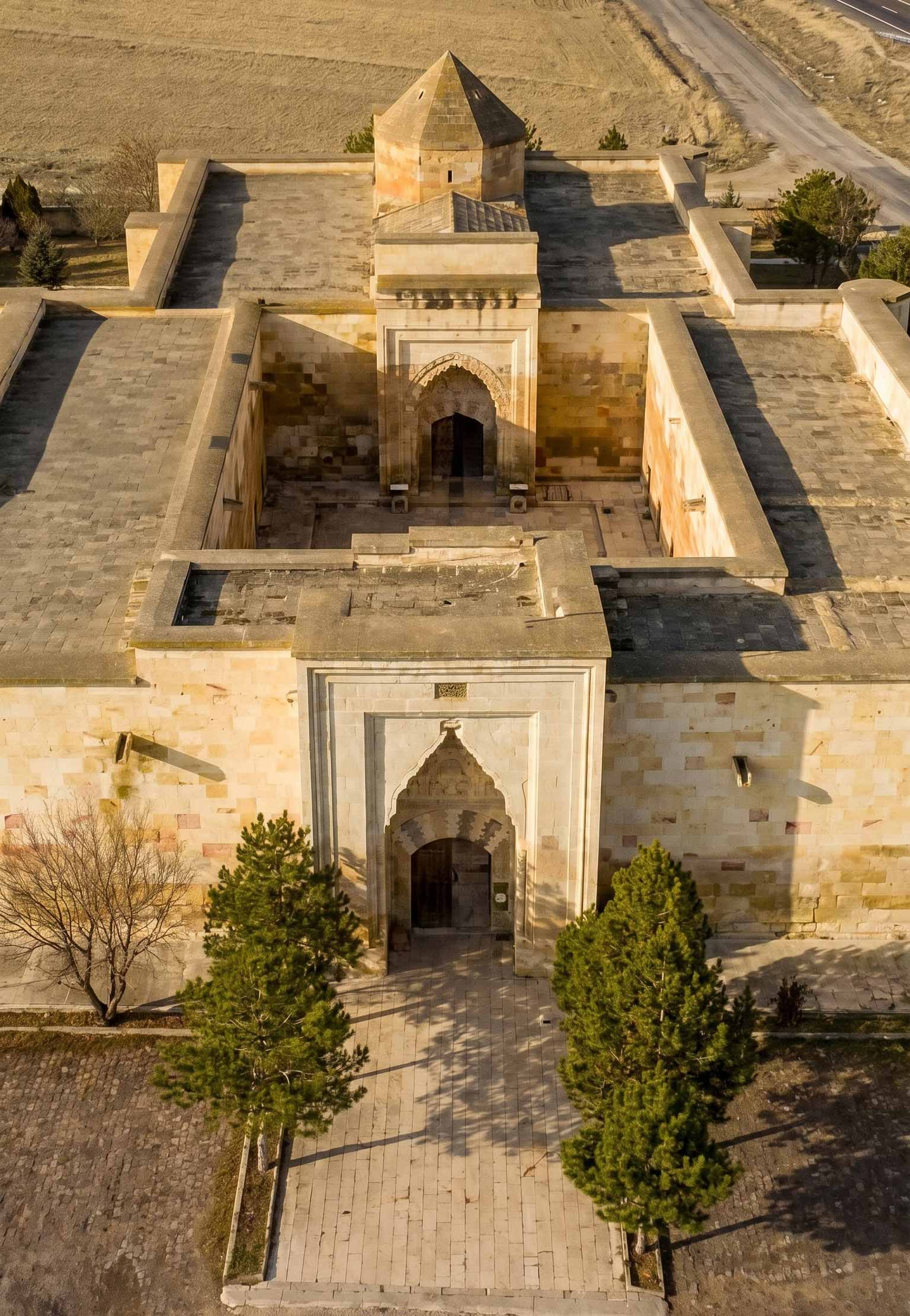
Saruhan Kervansarayı tepeden görünüm
Saruhan, 1249 — Cappadocia · Avanos
I The Medieval Airbnb: Caravanserais

shelter for travelers,
safety for merchants,
life for the roads.

Centuries ago, these structures sheltered travelers free of charge and brought commerce and culture together — they were the most advanced 'hospitality network' of the Middle Ages.

Mercy Affection Patience Discretion Generosity Loyalty Gratitude Truthfulness
The Seljuk Star
A Heritage Story

Caravanserai Culture, From Past to Present

Hubs of Commerce and Civilization

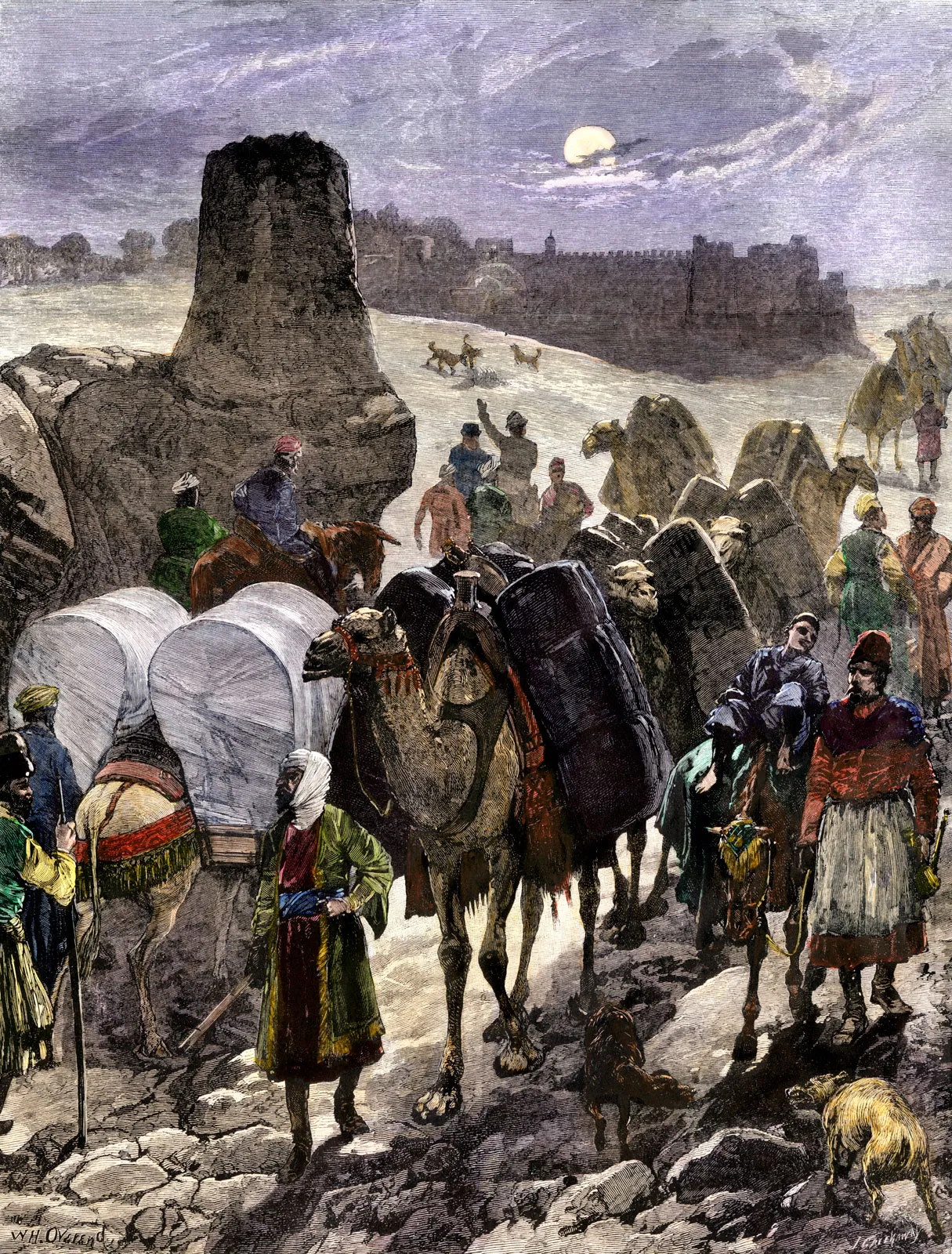
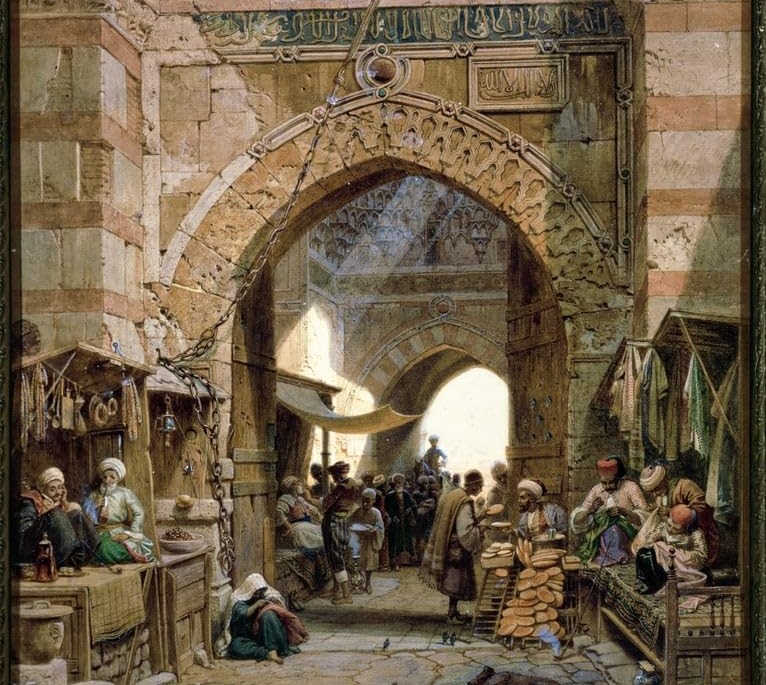
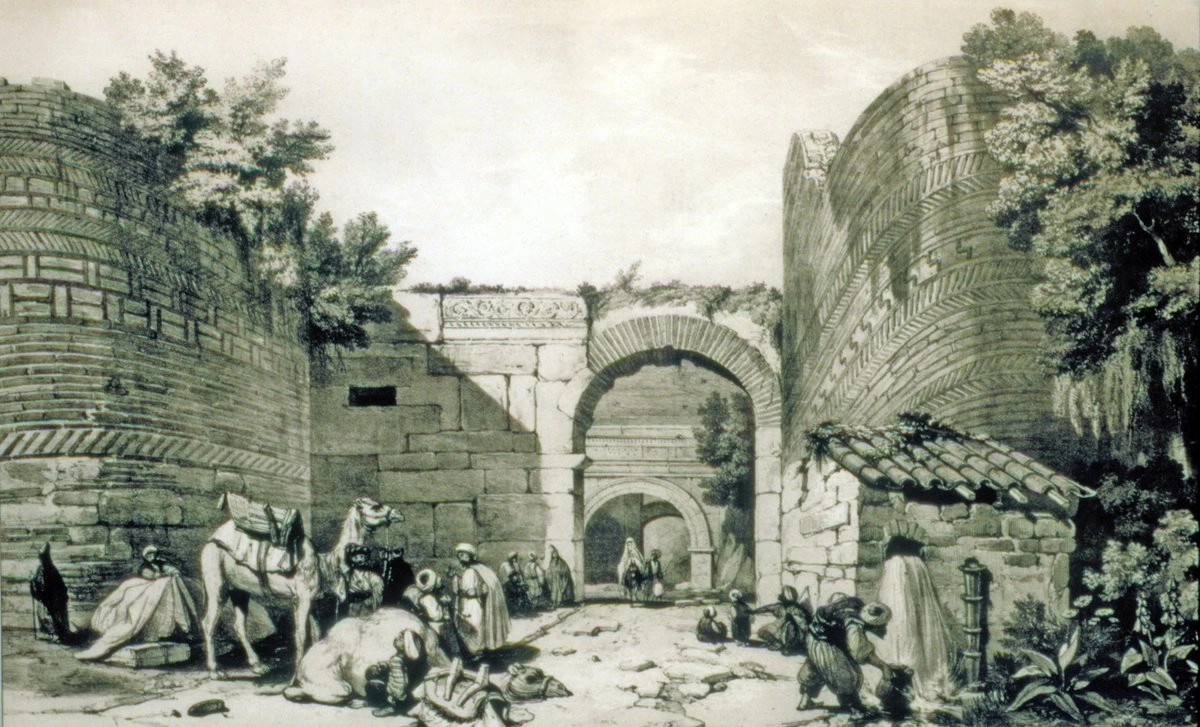
In the Middle Ages, caravanserais were the most important stops on the Silk and Spice Roads connecting East and West. Positioned by the Seljuk sultans according to the needs of international trade, these structures served not only as commercial hubs but also as social and cultural foundations rooted in mutual aid. In times of peace they hosted commerce; in times of war they served as military camps; and as conditions demanded, they functioned as posts for communication and mail.

Precise Planning: A 9-Hour Distance

The caravanserais that wove a network across Anatolia were not built at random. Their positions on the roads were calculated based on the average daily walking time of a fully laden camel. To allow travelers, caravans, and pack animals to rest in safety, the structures were spaced exactly 9 hours apart (about 40 kilometres). Thanks to this planning, no caravan ever had to spend the night on lonely or unsafe roads.

Castle-Grade Security

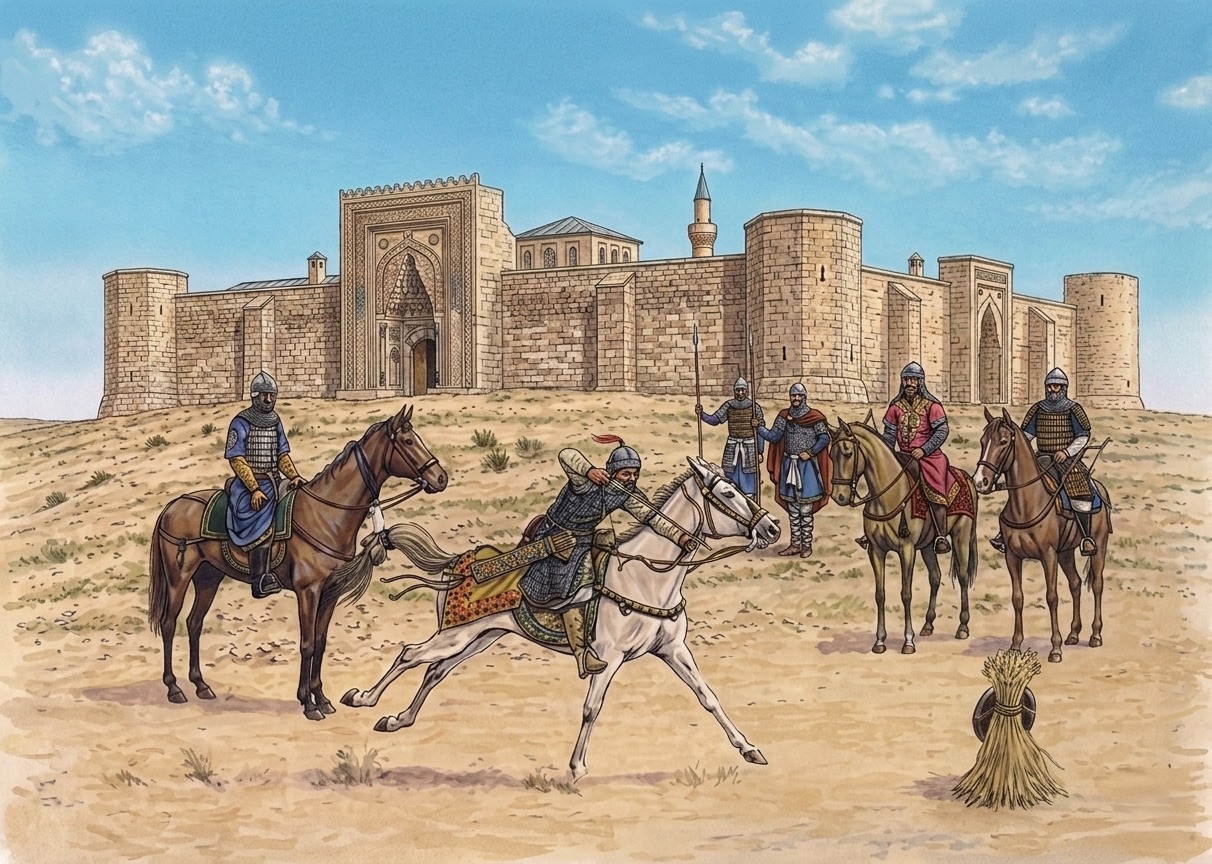
Built like fortresses of cut stone — monumental in scale — the caravanserais placed safety above all. Caravans had to enter before dusk and depart only after daybreak. Each morning, before the gates opened, a herald would emerge and ask the caravans whether anything was missing or lost. If even one item was unaccounted for, the gates would not open and no one would be allowed to leave until the matter was resolved.

Free Lodging Beyond Borders

The doors of the caravanserais were open to all, regardless of religion or nationality. Depending on the size of the building, caravans and travelers could lodge there entirely free of charge for three to seven days. The premises kept enough provisions and equipment to meet every need of guest and animal alike. Only in exceptional, multi-functional caravanserais — those reserved for sultans and high officials — were certain fees ever levied.

Rich Service Quarters and Operation

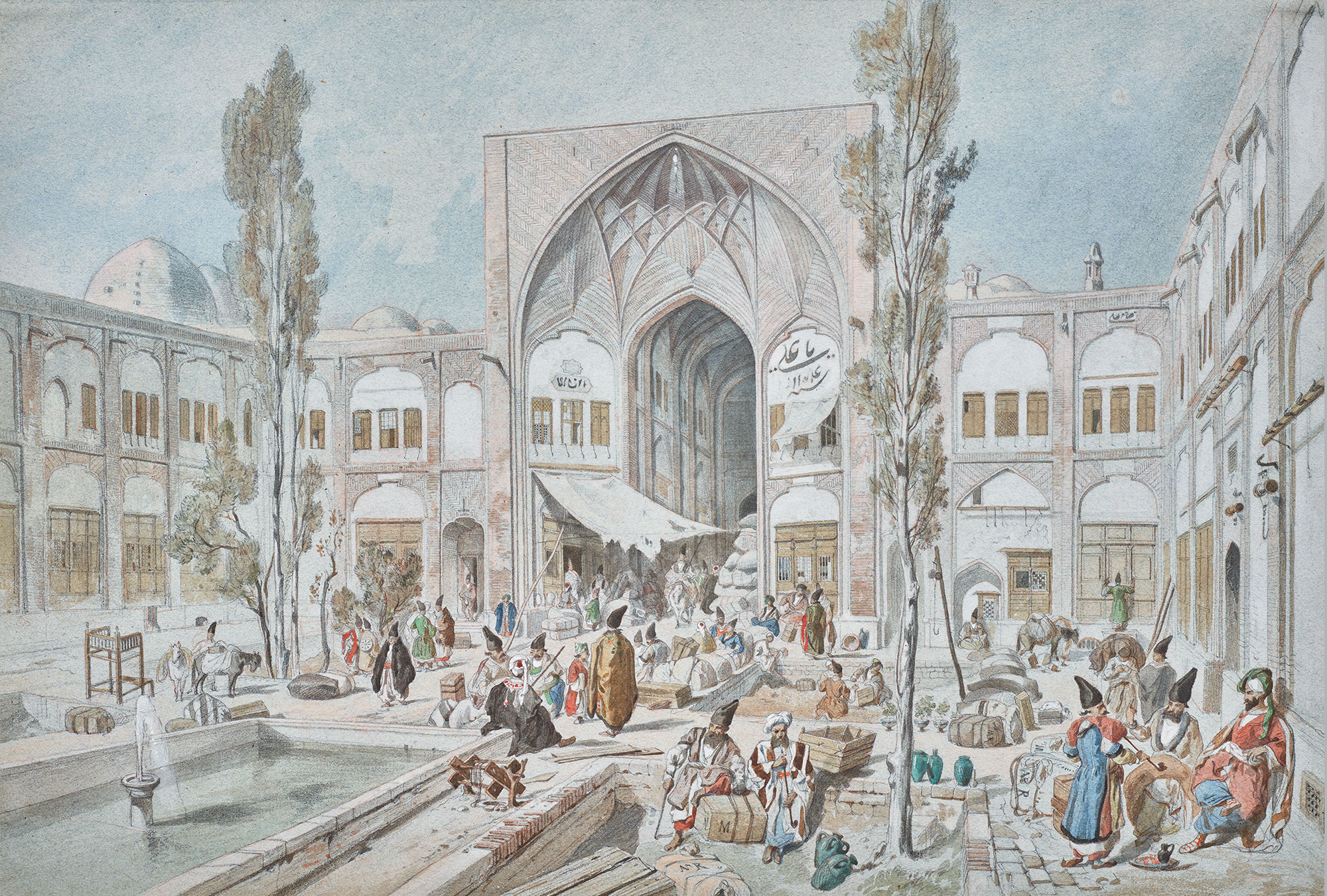
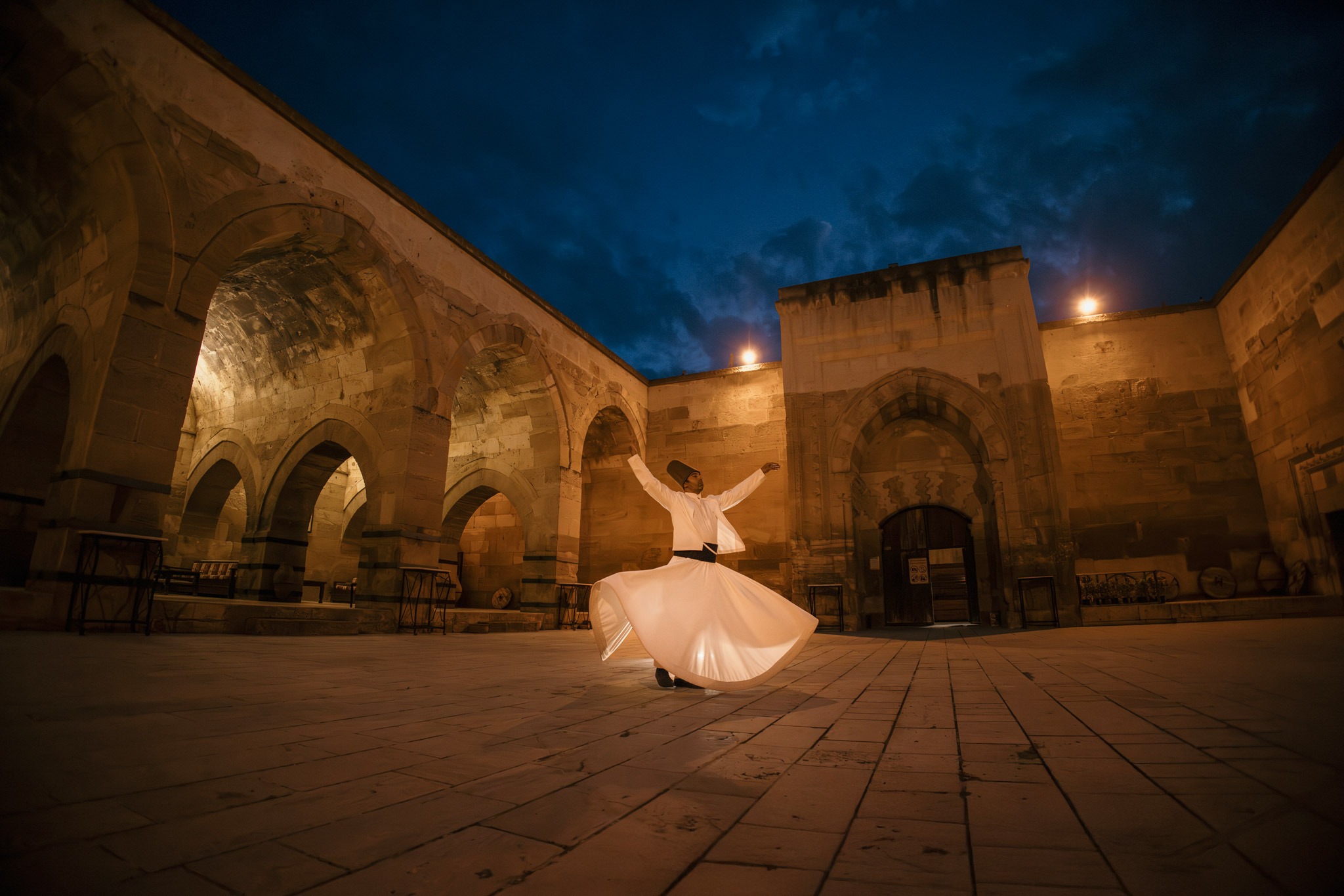
These structures were like small self-sufficient cities. The covered quarters known as 'develik' sheltered travelers and animals from harsh weather. Around the courtyard, every guest need was anticipated: a kitchen, a bath, medical aid rooms, tea houses, sleeping quarters, and prayer halls. Workshops for saddlers, ropemakers, farriers, and blacksmiths kept the caravans in repair. The whole system was run by a wide staff: a director, an innkeeper, a cook, a veterinarian, and a physician.

Location, Design, Function: What Set Caravanserais Apart

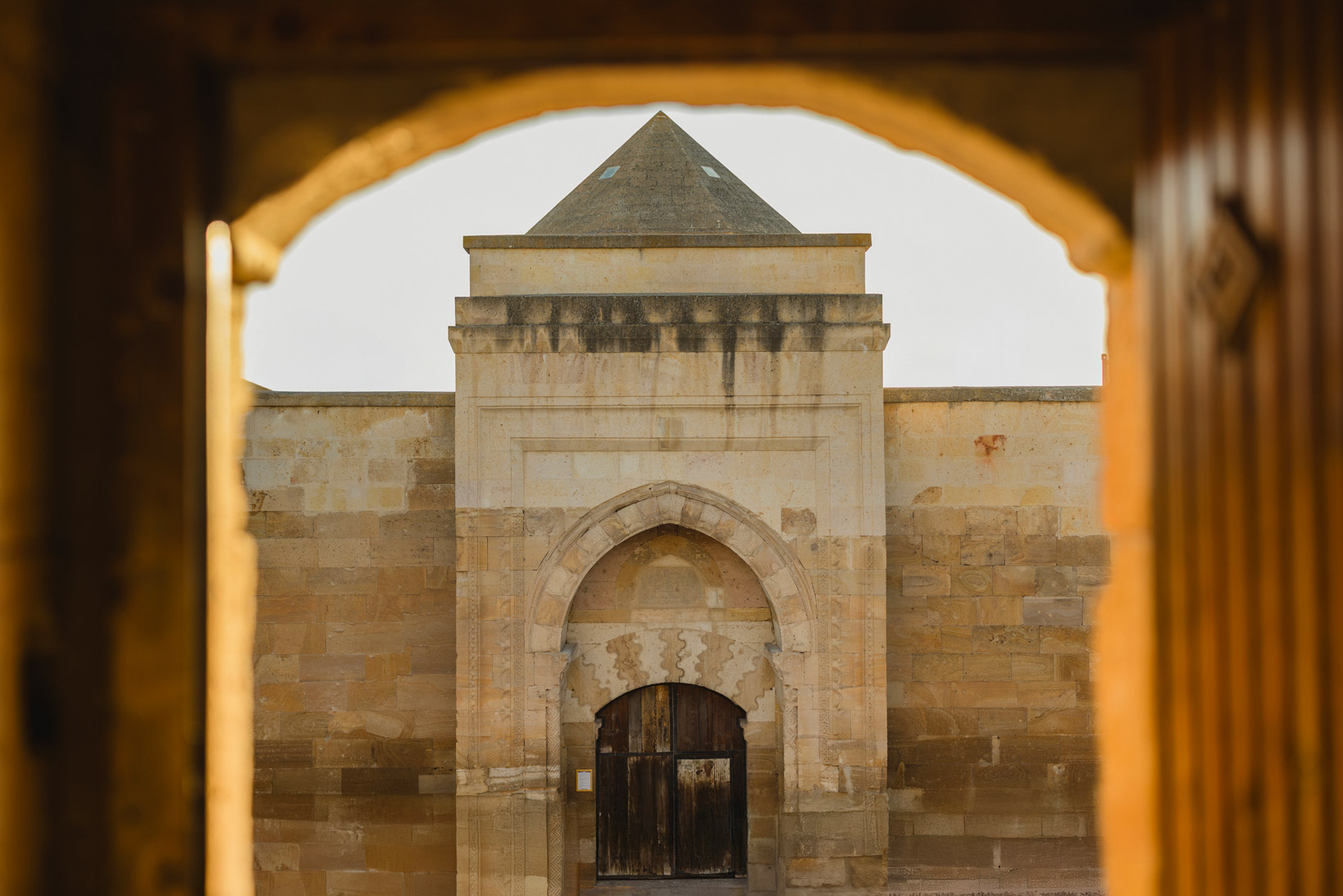
Lodging structures along the trade routes differed among themselves by function and scale. The smaller buildings on secondary roads were called 'Han'. Those built on the borders for soldiers' lodging — later evolving for trade — were known as 'Ribat'. The largest and most magnificent caravanserais, used by the state's high officials and featuring a dedicated pavilion-mosque at the very centre of the courtyard, were honoured with the title 'Sultan Hanı'. Beyond these, large-scale caravanserais — situated especially along the principal trade routes and highly advanced in both plan and capacity — were also built. These caravanserais were constructed as covered (with an inner courtyard), open, or hybrid types combining both. Buildings such as Saruhan stand as exemplars of this group.

A Living Heritage Today: The Caravanserai

Today these structures stand before us as ambassadors of tourism and culture, carrying the splendour of the past into the present. Through restoration and conservation work led by the Ministry of Culture and Tourism and the General Directorate of Foundations, many caravanserais have been faithfully restored to their original character.

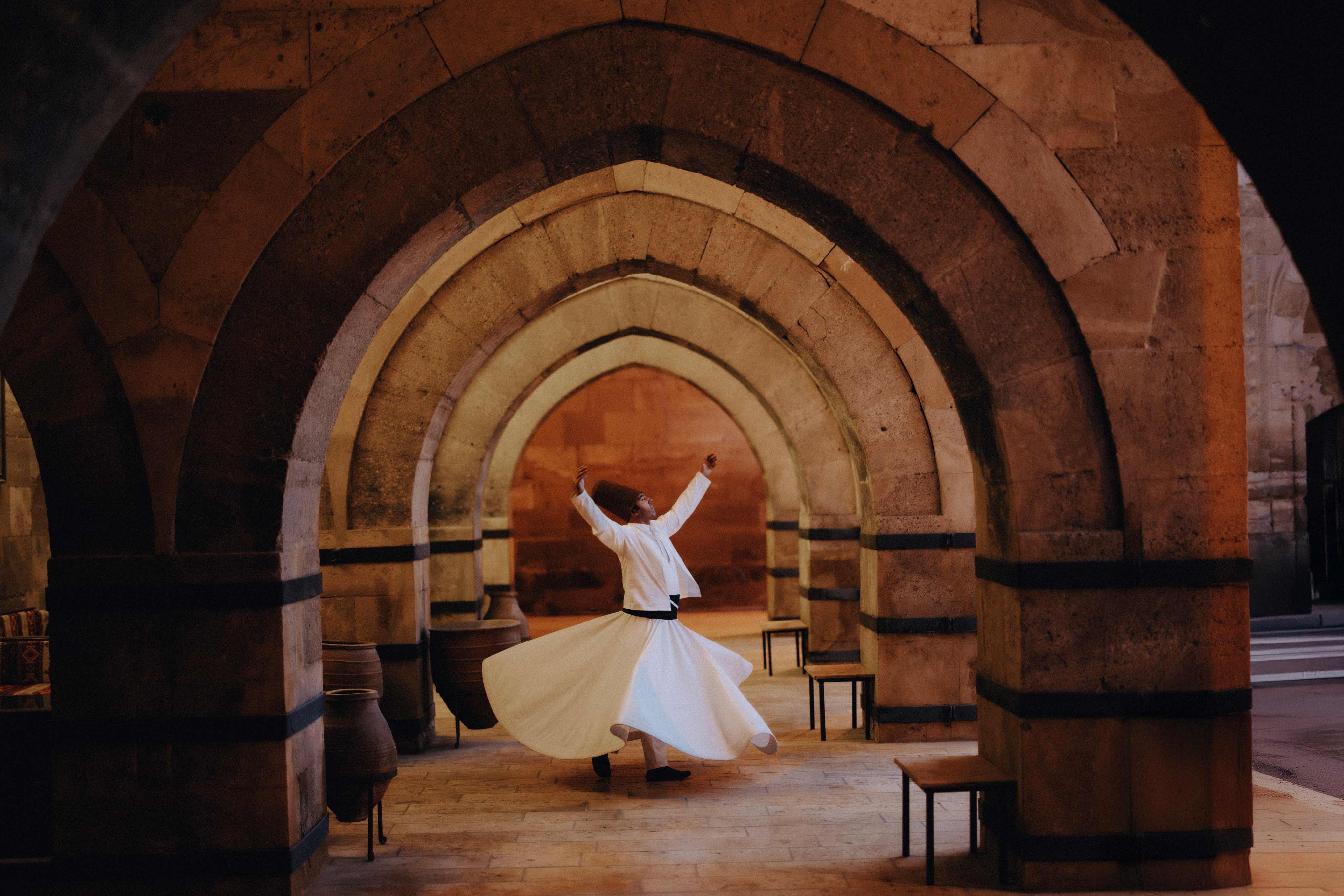
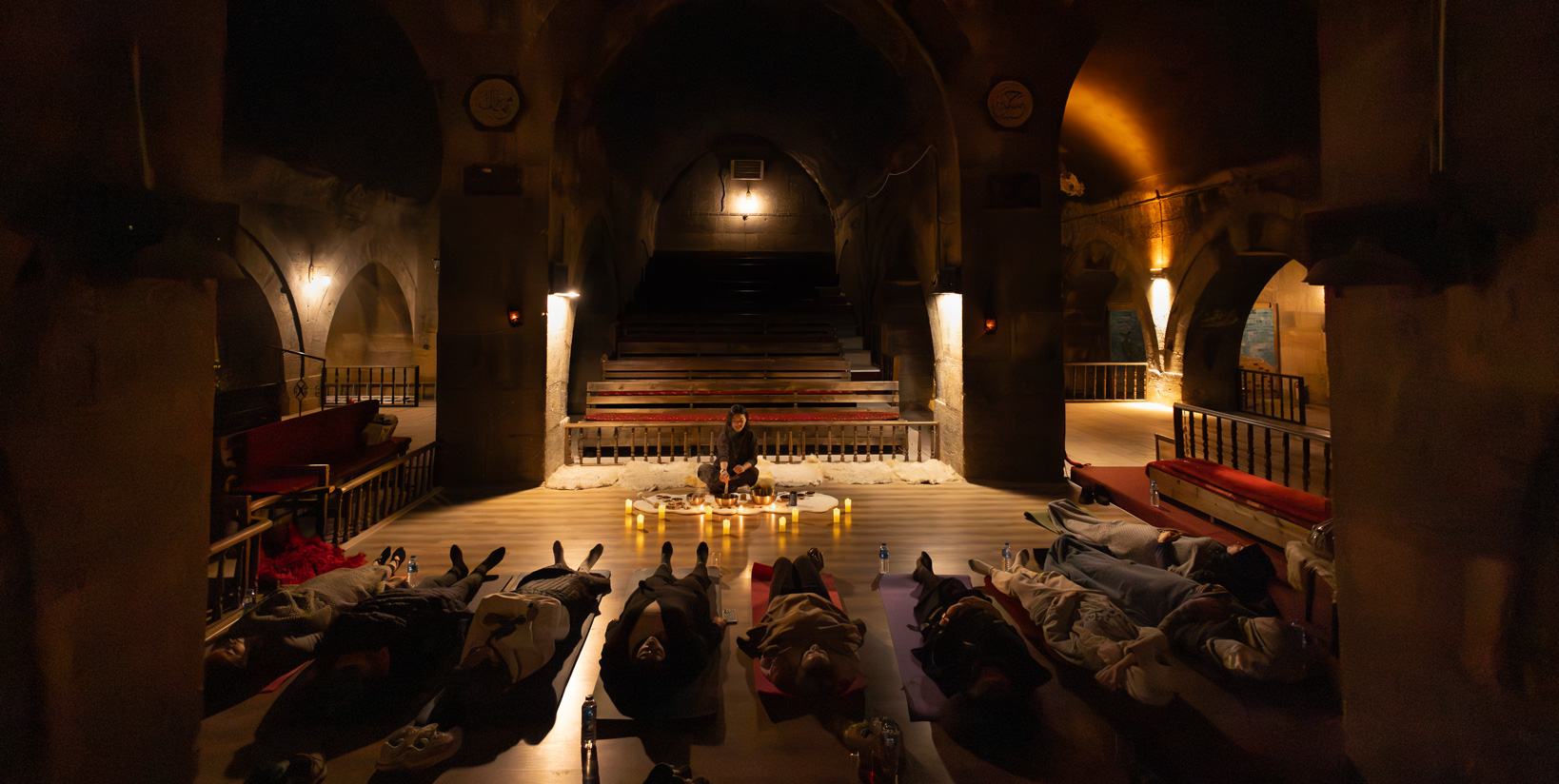
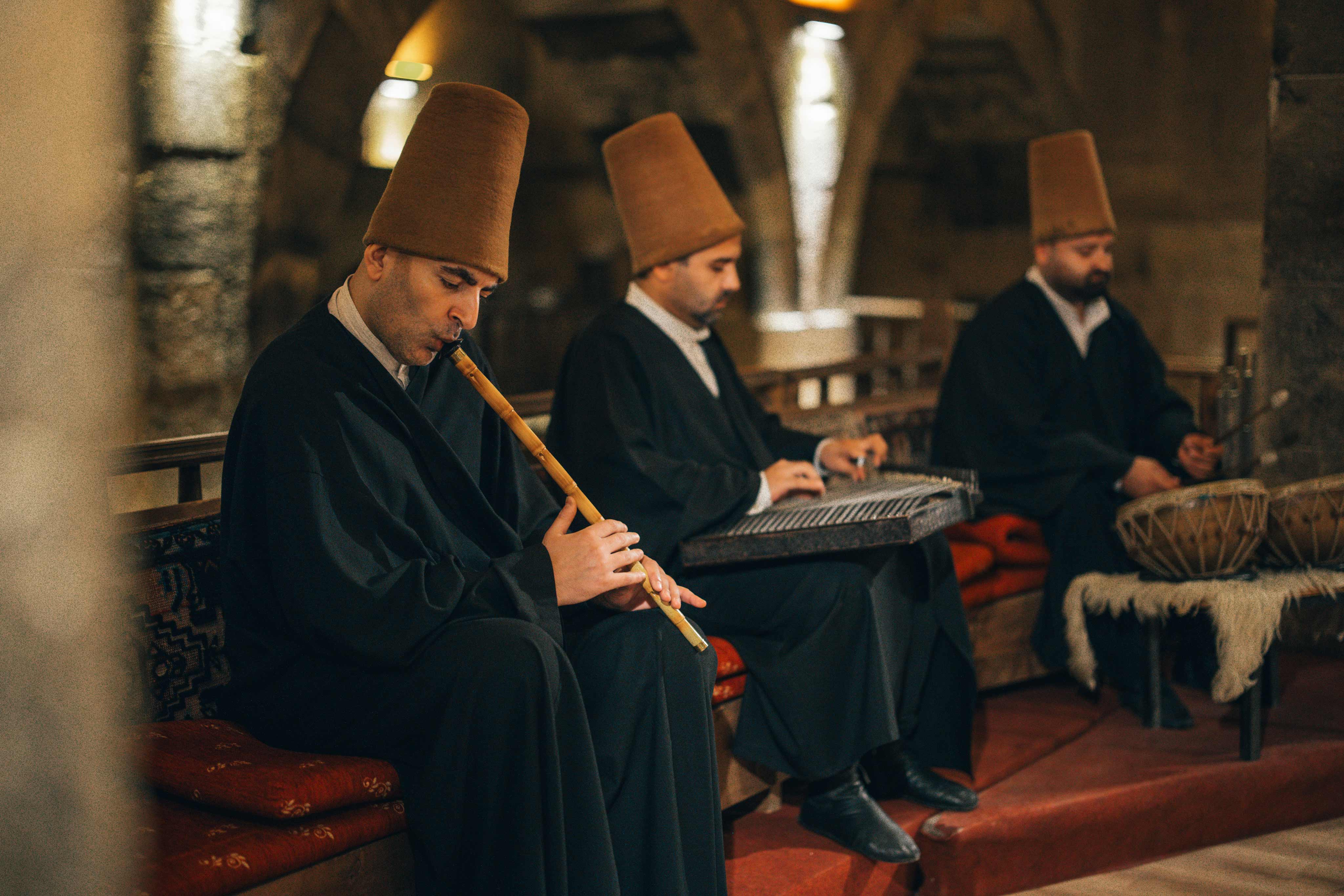
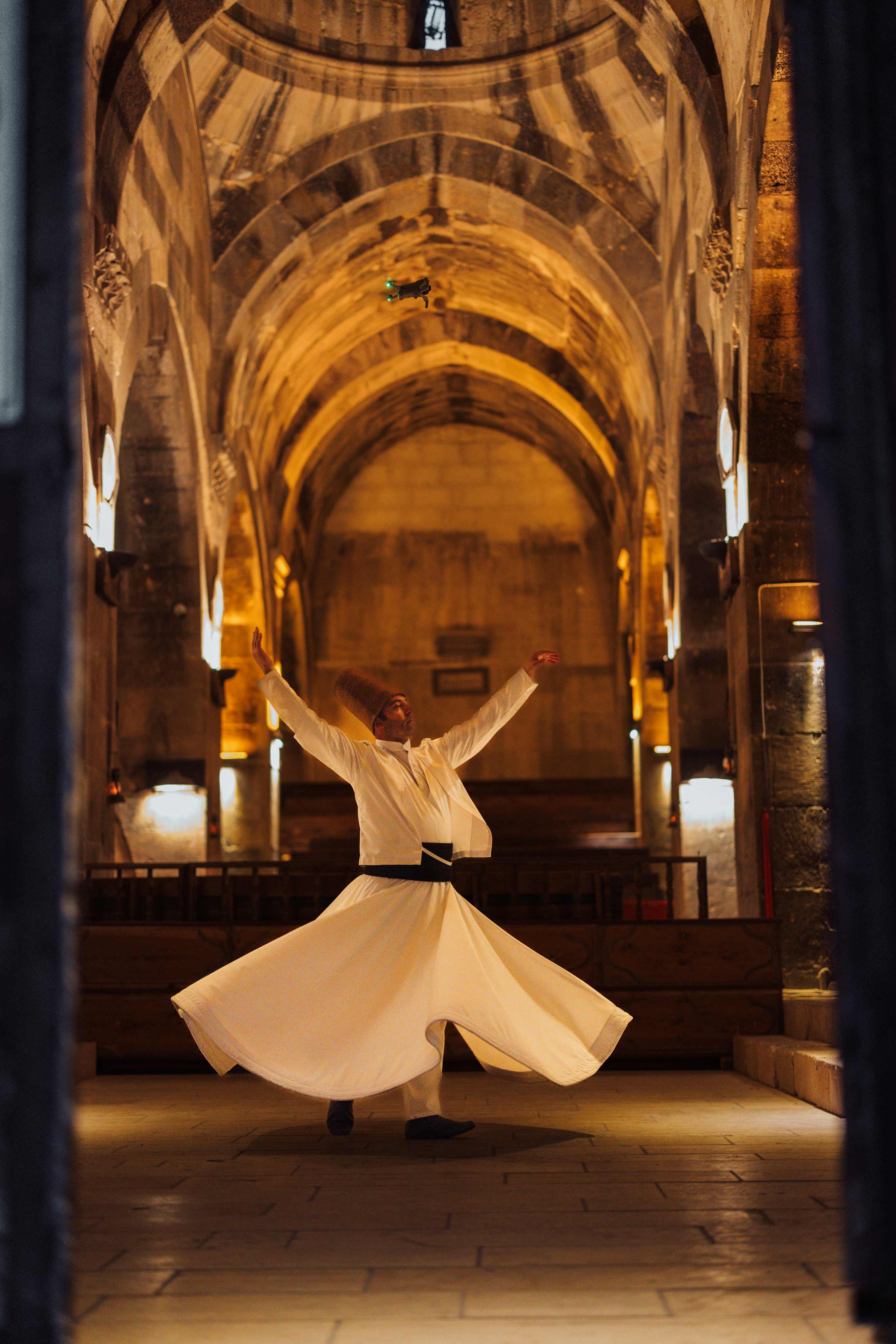
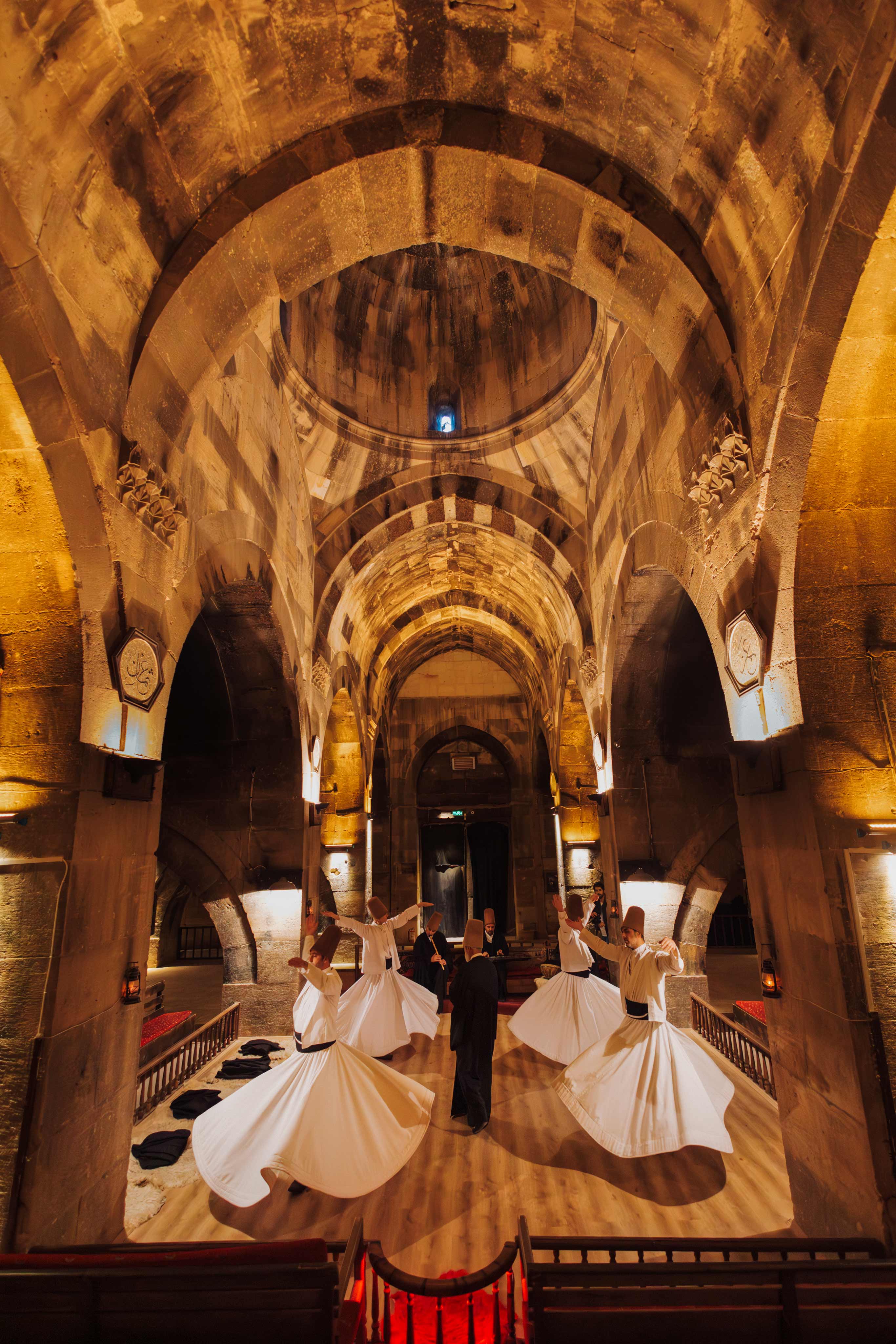
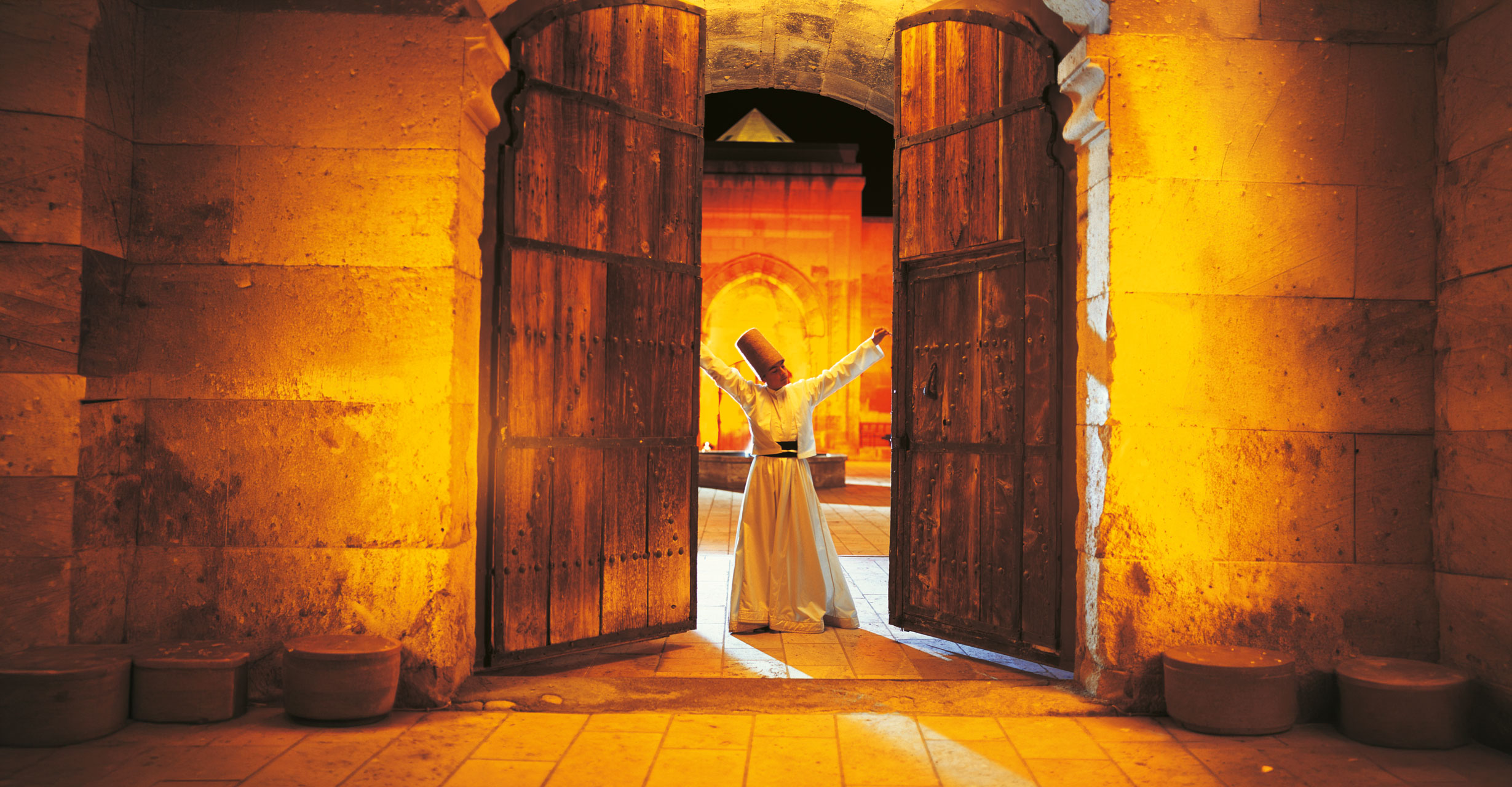
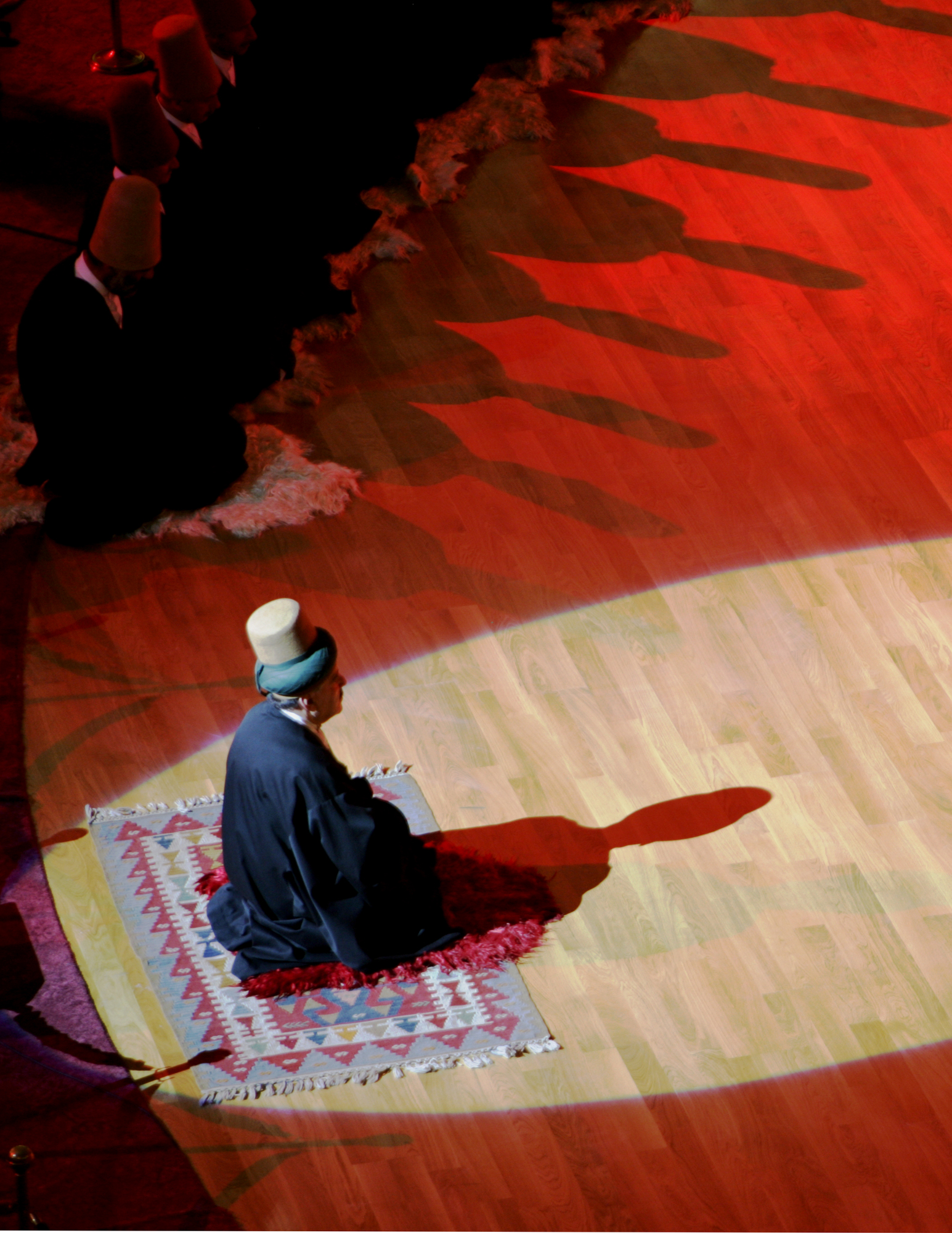
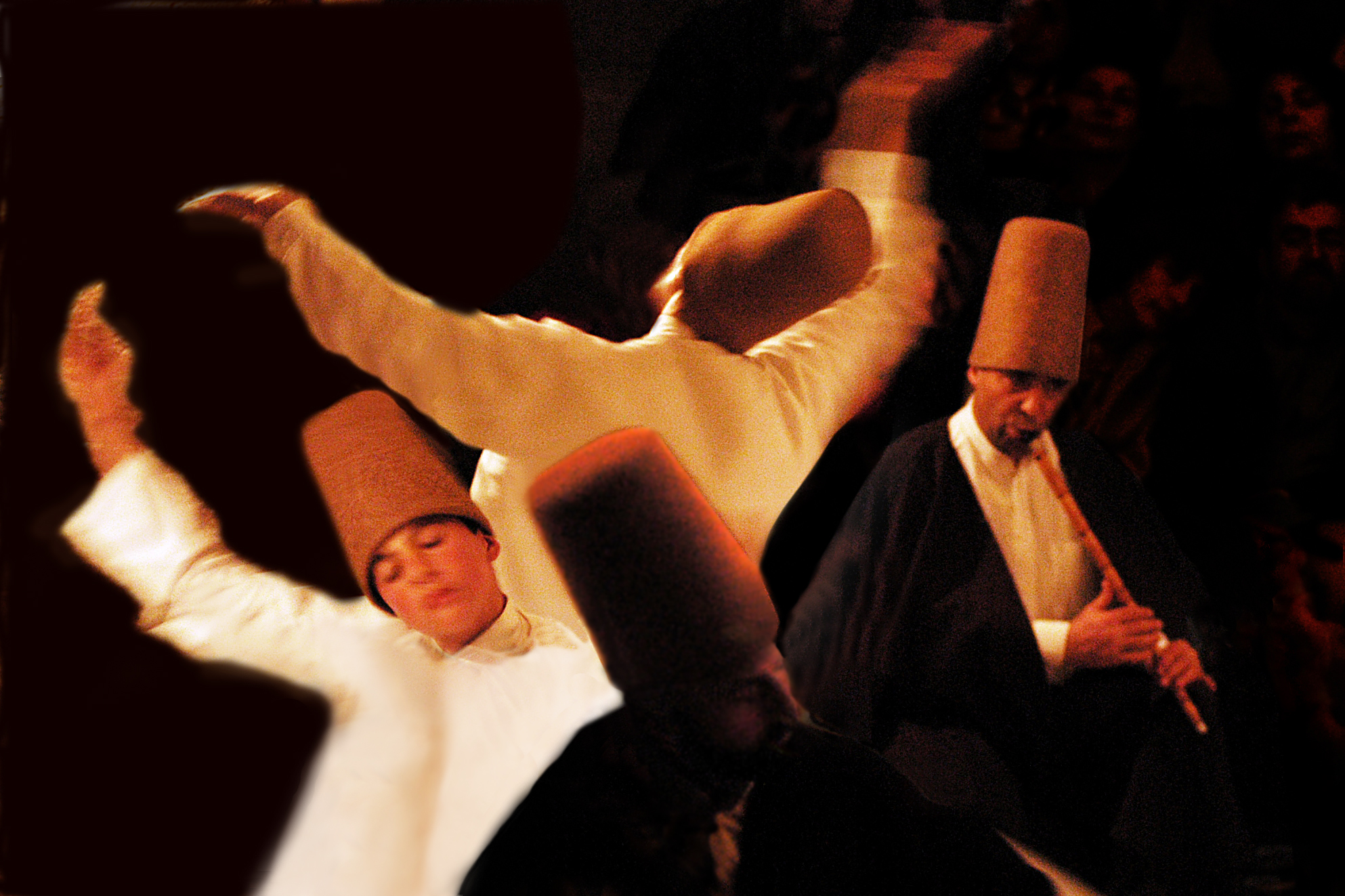
Today, caravanserais are valued not only as historic monuments but as living spaces with diverse functions. Some have been converted into museums introducing Seljuk culture, while others host cultural programmes such as Sema ceremonies, immersive experiences, traditional Turkish nights and exhibitions. Certain caravanserais also serve as boutique hotels or restaurants, offering visitors the chance to inhabit, for an evening, the atmosphere of centuries past.

What's Possible at Saruhan...

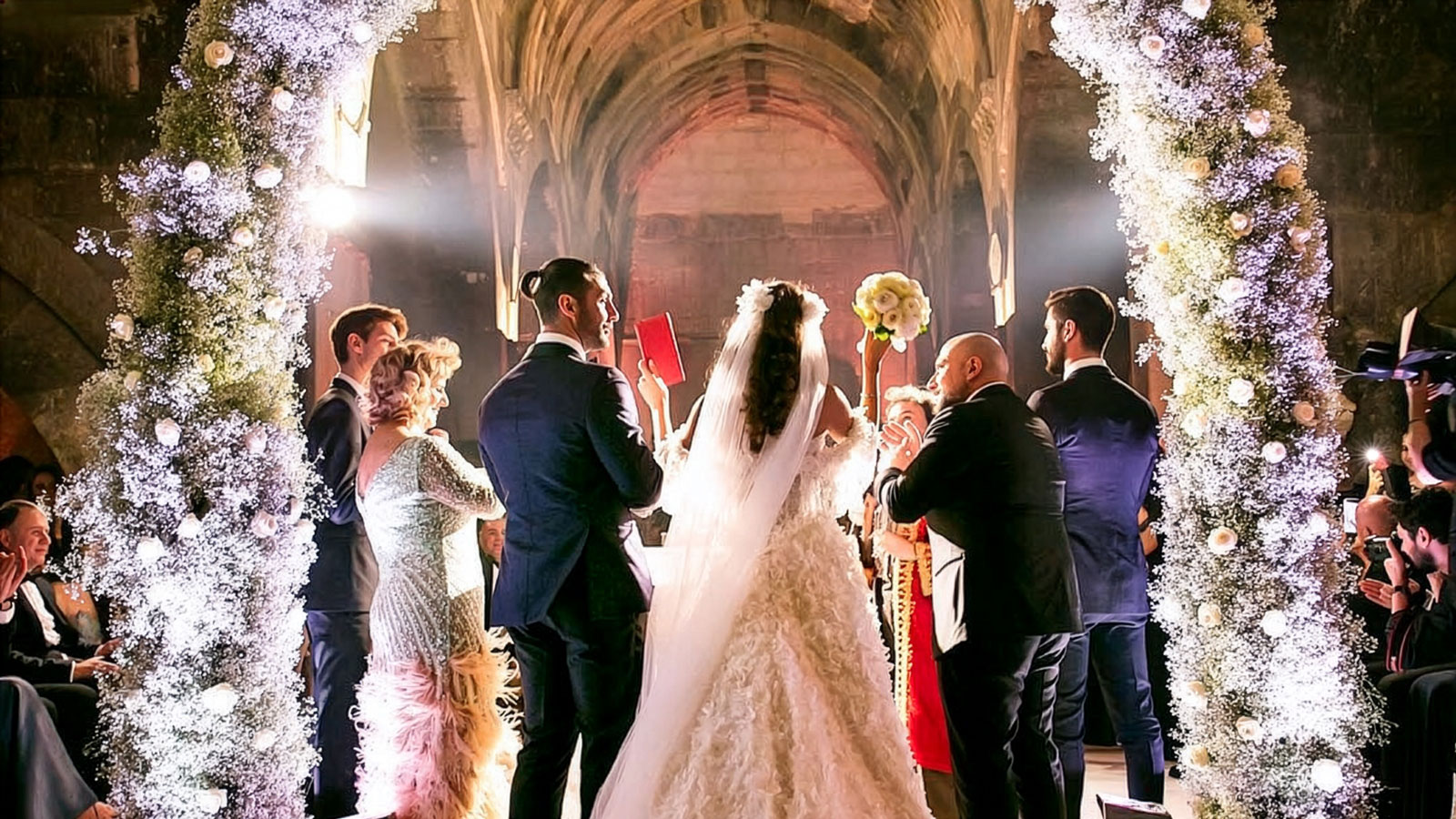
Wedding

Private Celebration

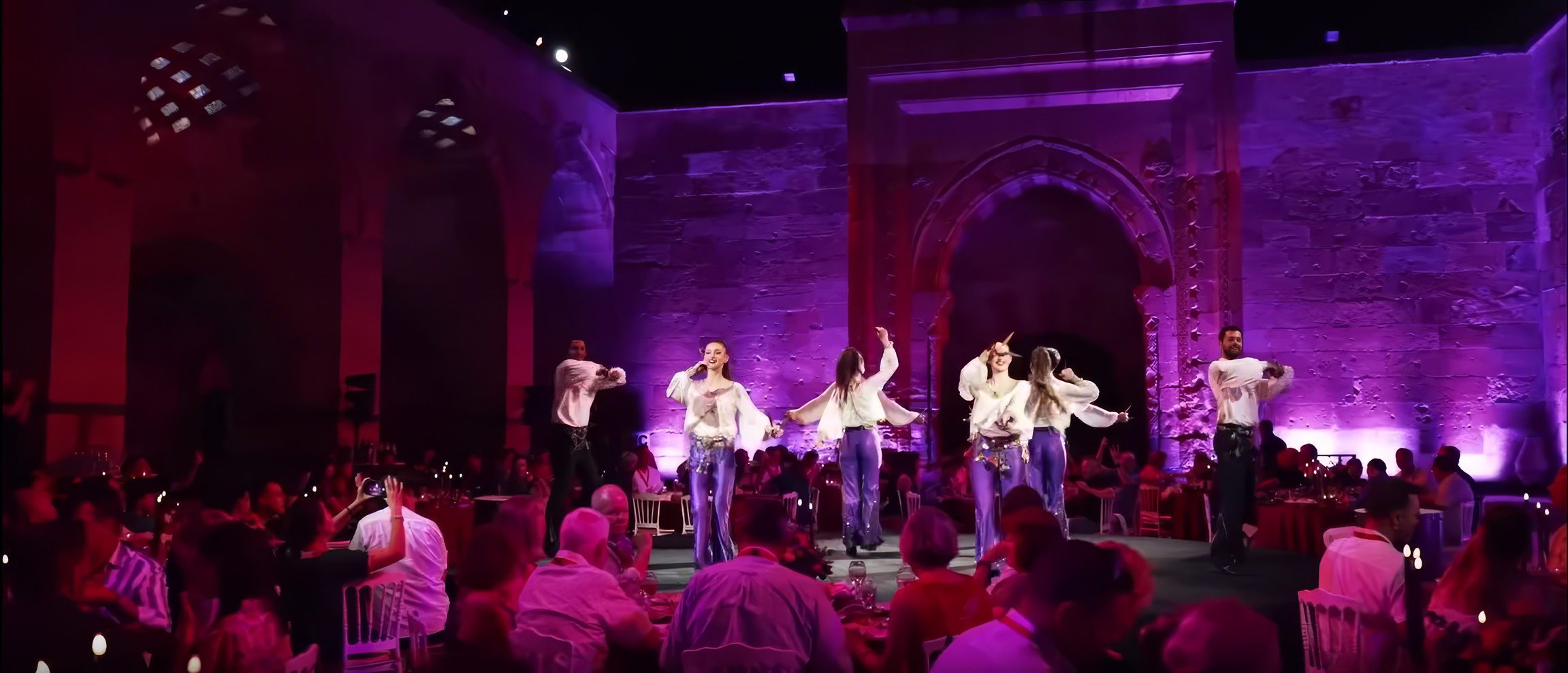
Gala

Evening Programme

Launch

Brand Launch

Festival

Culture & Arts

Corporate

Company Event

Special Event

Birthday & Celebration
Get in Touch

Ready to make your dreams reality?
Good things happen when you say "Hey".

Tell Us What Brought You Here